

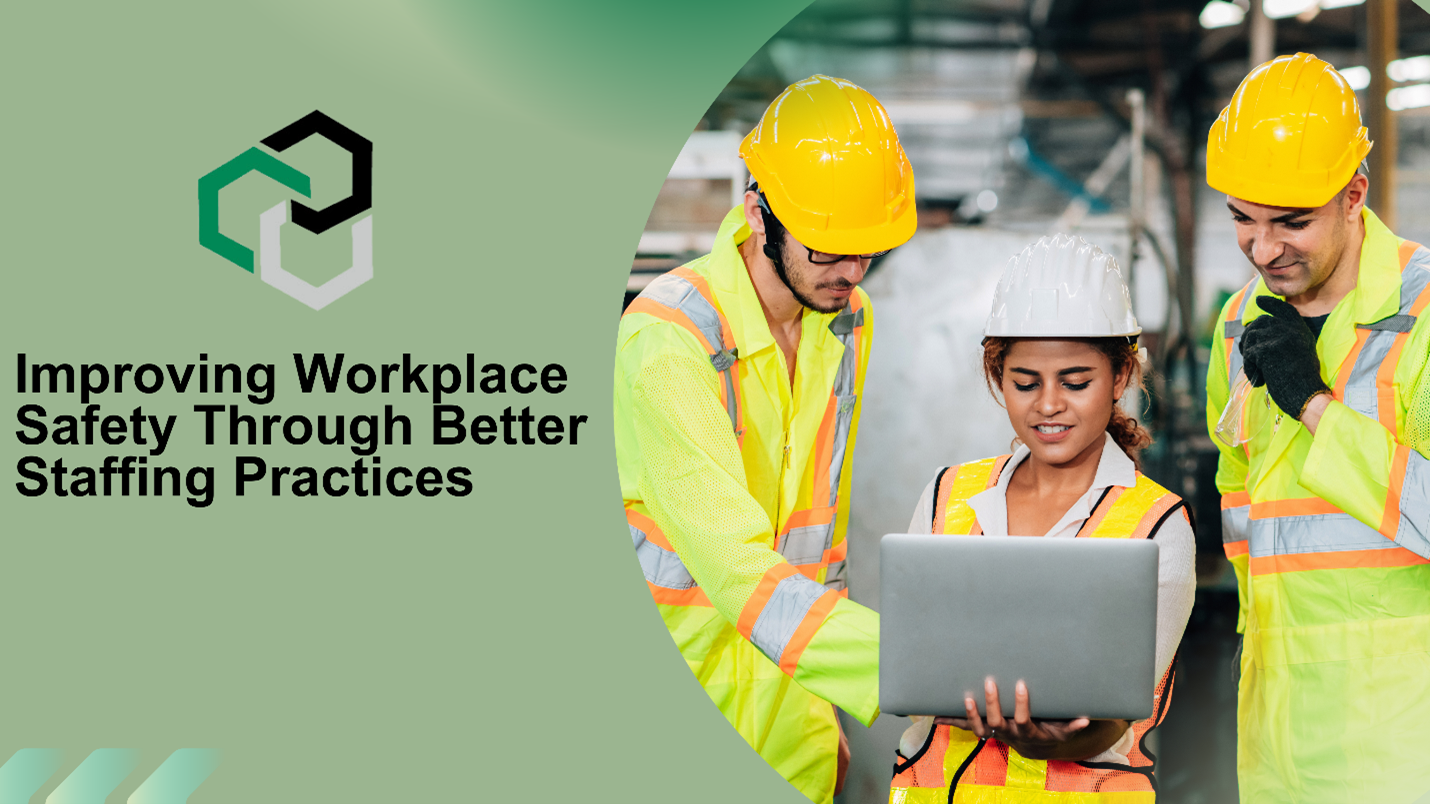
Improving Workplace Safety Through Better Staffing Practices
Workplace safety is crucial, especially in physically demanding industries like manufacturing and construction. Beyond equipment and protocols, strategic hiring, thorough training, and effective onboarding are key to reducing accidents and fostering a safer, more productive environment.
Strategic Staffing for Safer Workplaces
Ensuring the right people are in the right roles is the first step toward improving workplace safety.
- Skill-Based Hiring: Prioritize candidates with relevant experience or certifications (e.g., forklift operation, OSHA compliance) to reduce the likelihood of errors.
- Physical Capability Assessments: For physically demanding jobs, evaluate candidates’ physical readiness to ensure they can perform tasks safely.
- Appropriate Workloads: Avoid overburdening employees by hiring enough staff to meet operational demands, reducing the risk of fatigue-related accidents.
Comprehensive Training for Accident Prevention
Even experienced employees need regular training to stay current with safety protocols.
- Role-Specific Safety Training: Provide targeted instruction on handling machinery, hazardous materials, or other job-specific risks.
- Ongoing Education: Offer refresher courses and updates as new equipment, processes, or regulations are introduced.
- Simulated Scenarios: Use hands-on training or virtual reality simulations to prepare employees for potential emergency situations.
Effective Onboarding for New Hires
A well-structured onboarding process sets the foundation for safe workplace practices.
- Safety Orientation: Introduce new employees to workplace safety policies, emergency procedures, and reporting protocols on day one.
- Mentorship Programs: Pair new hires with experienced staff to reinforce safe behaviors and provide guidance during their initial weeks.
- Gradual Role Integration: Allow employees to ease into physically demanding tasks, ensuring they fully understand safety requirements before taking on full responsibilities.
Maintaining Optimal Staffing Levels
Understaffed workplaces are more prone to accidents due to overworked employees and rushed tasks.
- Avoiding Fatigue: Ensure adequate staffing levels to prevent excessive overtime and fatigue-related errors.
- Flexible Workforce Solutions: Use temporary or contingent workers during peak demand periods to reduce strain on full-time employees.
- Cross-Training Employees: Train staff in multiple roles to provide coverage during absences without compromising safety.
Encouraging a Safety-First Culture
Staffing practices alone are not enough—cultivating a culture where safety is prioritized is essential.
- Open Communication: Encourage employees to report hazards or near-misses without fear of retaliation.
- Recognition Programs: Reward teams or individuals who consistently demonstrate safe practices.
- Leadership Commitment: Ensure managers model safe behavior and regularly reinforce the importance of following safety protocols.
Leveraging Technology for Safer Staffing
Modern tools can enhance staffing and safety practices.
- AI-Driven Scheduling: Use algorithms to optimize shifts, minimizing fatigue and ensuring adequate rest periods.
- Training Management Systems: Track employee training completion and schedule necessary updates automatically.
- Wearable Safety Devices: Equip employees with technology that monitors fatigue, posture, or exposure to hazards.
Measuring the Impact of Staffing on Safety
Data analytics can provide insights into how staffing decisions affect workplace safety.
- Accident Trends: Analyze incident reports to identify patterns and staffing-related risks.
- Turnover Rates: Monitor whether high turnover correlates with increased safety incidents, indicating a need for better onboarding or training.
- Employee Feedback: Regularly solicit input on workload, safety concerns, and training effectiveness.
Conclusion
Better staffing, training, and onboarding are key to workplace safety. Combined with a safety-first culture and modern technology, these practices help protect a company’s most valuable asset—its people.